Back on the Road With Certainty - Reliable Auto Care
Trustworthy auto repair is necessary for vehicle safety and performance. A solid shop delivers extensive repairs, from standard inspections to emergency work. Recognizing when a car needs attention can be tricky. Many drivers have difficulty finding reliable technicians. Regular upkeep is fundamental to maintaining your car's longevity. Yet, the uncertainty about pricing and interactions with repair specialists can leave one confused. What approaches can vehicle owners take to ensure their vehicles remain road-ready?
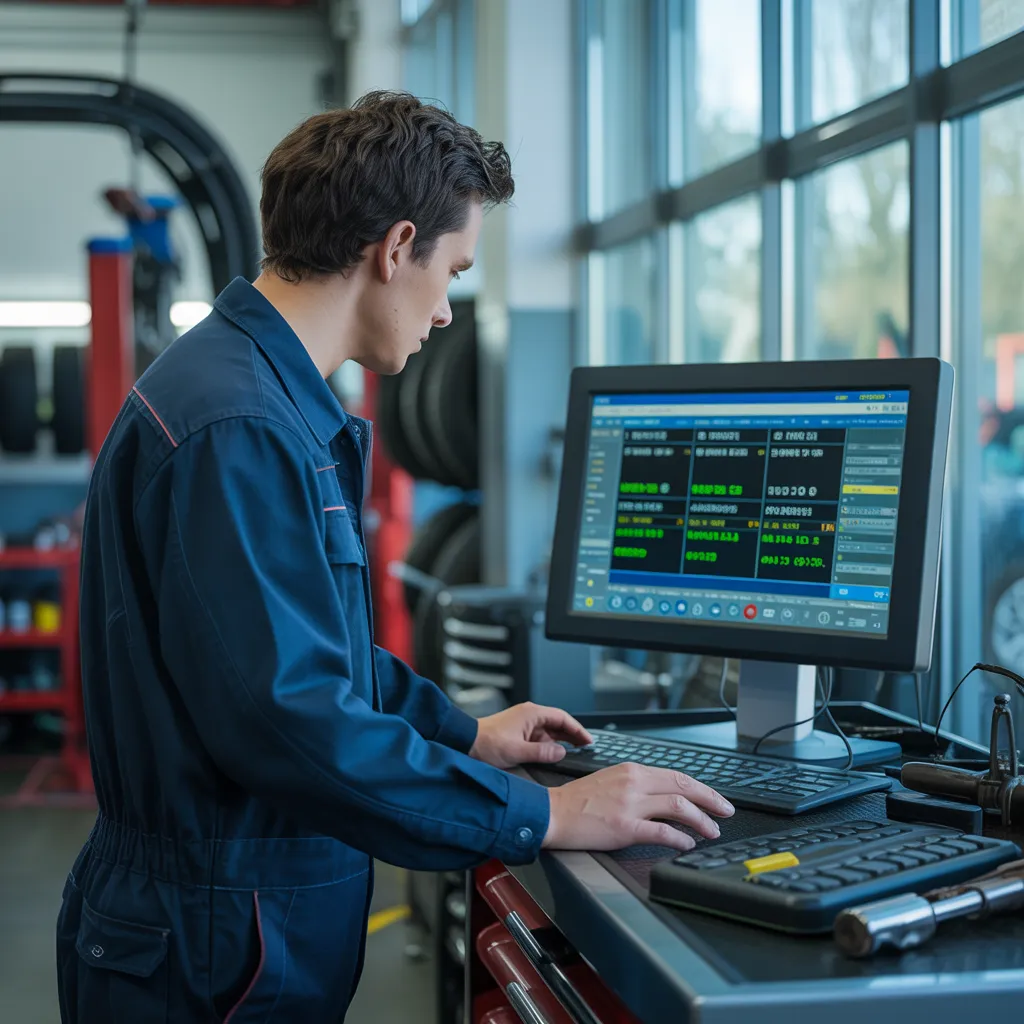
Identifying When Your Car Needs Service
How can one know when a vehicle needs repair? There are multiple key indicators that indicate a need for repair. Unusual sounds and vibrations, such as grinding or squeaking, often indicate brake or engine issues. Warning lights on the dashboard, particularly the check engine light, should not be ignored, as they warn of potential problems that require immediate investigation. Additionally, a reduction in performance, such as sluggish acceleration or difficulty starting, can also indicate underlying mechanical issues.
Visual markers, such as oil seepage or irregular tire degradation, are additional warnings that maintenance is needed. If the automobile veers to one side while in motion, this could suggest alignment complications or tire defects. Regularly observing these components can help ensure quick repairs, preventing more serious damage and expenses in the coming years. All things considered, being observant and forward-thinking is vital for keeping your vehicle healthy.
How to Identify a Reputable Auto Repair Shop
Locating a dependable auto repair shop can be a challenging task for car owners. To start, individuals should request recommendations from acquaintances, relatives, or colleagues. Individual encounters often provide valuable insights into a facility's quality of service. Online reviews and ratings on sites like Yelp or Google can also help assess client contentment.
Next, confirming credentials and memberships with established professional bodies, such as the Automotive Service Excellence (ASE), can indicate a shop's commitment to professional standards. It is recommended to visit potential shops for an first meeting, allowing owners to assess tidiness, structure, and service quality.
Moreover, acquiring documented quotations before any work begins can prevent misunderstandings concerning costs. Finally, a established shop should be candid about its services and willing to explain repairs. By following these steps, vehicle owners can increase their chances of locating a reliable auto repair shop.
The Essential Value of Ongoing Vehicle Maintenance
While many vehicle proprietors may fail to address routine upkeep, regular car upkeep is indispensable for ensuring a car's endurance and peak performance. Avoiding upkeep can result in a series of problems, from minor inconveniences to significant breakdowns. Regular inspections, such as lubricant replacements, tire rotations, and brake evaluations, can prevent costly repairs and strengthen driving safety.
Furthermore, ongoing maintenance helps preserve a vehicle's gas mileage, reducing overall operating costs. It also maintains the trade-in value; a properly maintained car is often more appealing to prospective buyers.
Participating in scheduled maintenance cultivates a sense of responsibility among owners, encouraging them to stay informed about their vehicle's needs. By prioritizing maintenance, vehicle owners not only safeguard their asset but also contribute to overall road safety. Ultimately, consistent vehicle maintenance is a proactive approach that advantages both the owner and the wider society.
Understanding Repair Costs
Grasping maintenance costs might often prove perplexing for vehicle proprietors. Diverse elements determine such expenses, encompassing technician rates, parts pricing, and the level of intricacy of the repair job. Labor fees differ extensively across different regions and shops, usually demonstrating the technician's experience and the shop's operational expenses. Besides, the type of parts chosen—whether OEM parts or replacement alternatives—may significantly shape the ultimate bill.
Vehicle age and model also contribute; older or less common vehicles may need unique components that are more expensive and harder to source. Moreover, surprise complications can emerge during maintenance work, resulting in supplementary charges that were not foreseen at first. By gaining a basic understanding of such considerations, vehicle owners can tackle repair quotes with greater confidence and make informed decisions regarding their vehicle requirements.
How to Clearly Describe Car Issues to Your Technician
Effectively communicating car problems to a mechanic can greatly enhance the assessment and fixing process. When explaining problems, car owners should be specific about symptoms, such as strange sounds, tremors, or alert indicators. Providing information on when the problem happens—whether during speeding up, stopping, or idling—can also assist the technician pinpoint the problem.
It is advantageous to document any recent changes in driving behavior or service records. Using clear, straightforward language prevents confusion, allowing the technician to understand the issue better. Vehicle owners should refrain from using technical jargon unless they are confident in its meaning.
Furthermore, supplying paperwork, like service records or previous repair invoices, can offer context. A clear description not only helps with swift diagnosis but also builds a mutual partnership between the car owner and the mechanic, ultimately resulting in effective repairs.
Forming a Ongoing Relationship With Your Auto Repair Shop
Developing a long-term partnership with an auto repair shop copyrights on trust and candor. Consistent quality service solidifies this tie, while transparent exchange channels make certain that clients are made to feel valued and understood. Together, these elements build a alliance that advantages both the patron and the mechanic.
Foster Confidence With Transparent Operations
When customers feel well-informed about the repairs their vehicles require, trust naturally emerges between them and their auto repair shop. Transparency in communication is fundamental; it allows customers to understand the logic behind recommended repairs and maintenance. Auto repair shops that provide in-depth explanations, precise estimates, and open dialogues promote a sense of confidence among their clientele. This openness not only clarifies the repair process but also empowers clients to make educated decisions. Additionally, sharing information about the shop’s qualifications, warranties, and service history raises credibility. By focusing on transparency, auto repair shops can maintain lasting relationships, encouraging repeat business and retention. Ultimately, trust through transparency facilitates a more satisfying and trustworthy auto repair experience.
Steady Quality Service
Consistent quality service is the pillar of a lasting relationship between customers and their auto repair shop. When customers experience dependable and swift repairs, they are more likely to return for future maintenance. This consistency fosters trust, allowing customers to feel confident in the expertise of the technicians. Over time, as customers witness the same high standards being upheld, a sense of loyalty develops. Quality inspections done consistently and adherence to industry standards guarantee that vehicles are not only serviced but also maintained to avert emerging problems. Such commitment to excellence creates an climate where customers feel valued, knowing their vehicles are in capable hands. Ultimately, this resolve to consistent quality service strengthens the connection between auto repair shops and their clientele.
Create Communication Routes
Effective communication serves as an essential bridge between patrons and their auto repair shops, enhancing trust and understanding. Open communication pathways foster a teamwork-oriented environment where patrons feel valued and informed. When repair shops provide clear explanations about services, costs, and timeframes, patrons can make better determinations about their vehicles. Regular communications during repairs can alleviate anxiety and forge assurance in the shop's expertise. On the other hand, patrons who express their concerns and preferences participate in to a more tailored experience. This reciprocal exchange not only strengthens bonds but also stimulates allegiance. By prioritizing transparent interchange, auto repair shops can create a reputation for trustworthiness, ensuring that customers revisit for subsequent needs, confident in the service they will experience.
Regularly Answered Questions
What Should I Consider if My Car Stops Suddenly?
If a vehicle breaks down unexpectedly, the driver should safely pull over, switch on hazard lights, assess the situation, and call context information for roadside assistance or a tow service if needed. Staying calm is essential.
How Can I Ascertain if a Mechanic Is Dependable?
To assess a mechanic's trustworthiness, one should check reviews, seek recommendations, verify qualifications, and notice openness in costs. A trustworthy technician will communicate clearly and offer thorough descriptions of required maintenance and services.
Are coverage plans provided on vehicle maintenance?
Most auto repair shops provide guarantees on their services and parts, typically ranging from 90 days to several years. Customers should inquire about specific details and requirements to guarantee adequate coverage for their repairs.
What Supplies Should I Have in My Car for Urgent Situations?
A well-maintained vehicle should contain a spare tire, jack, jumper cables, flashlight, first aid kit, standard tools, and tire pressure gauge. These essential items help ensure safety and resolve minor issues during unexpected emergencies on the road.
How Do I Set My Car Ready for Seasonal Shifts?
To make ready a car for climate shifts, one should verify fluid levels, examine tires for tread and pressure, test the power source, change wipers, and make sure lights function properly for optimal safety and efficiency.